Insights
The Future of Advertising: How AI is Powering the Next Generation of Marketing
AI is no longer just about automation — it's about augmentation, where AI collaborates with human creativity to produce campaigns that drive real engagement.
AI: The Game Changer in Advertising
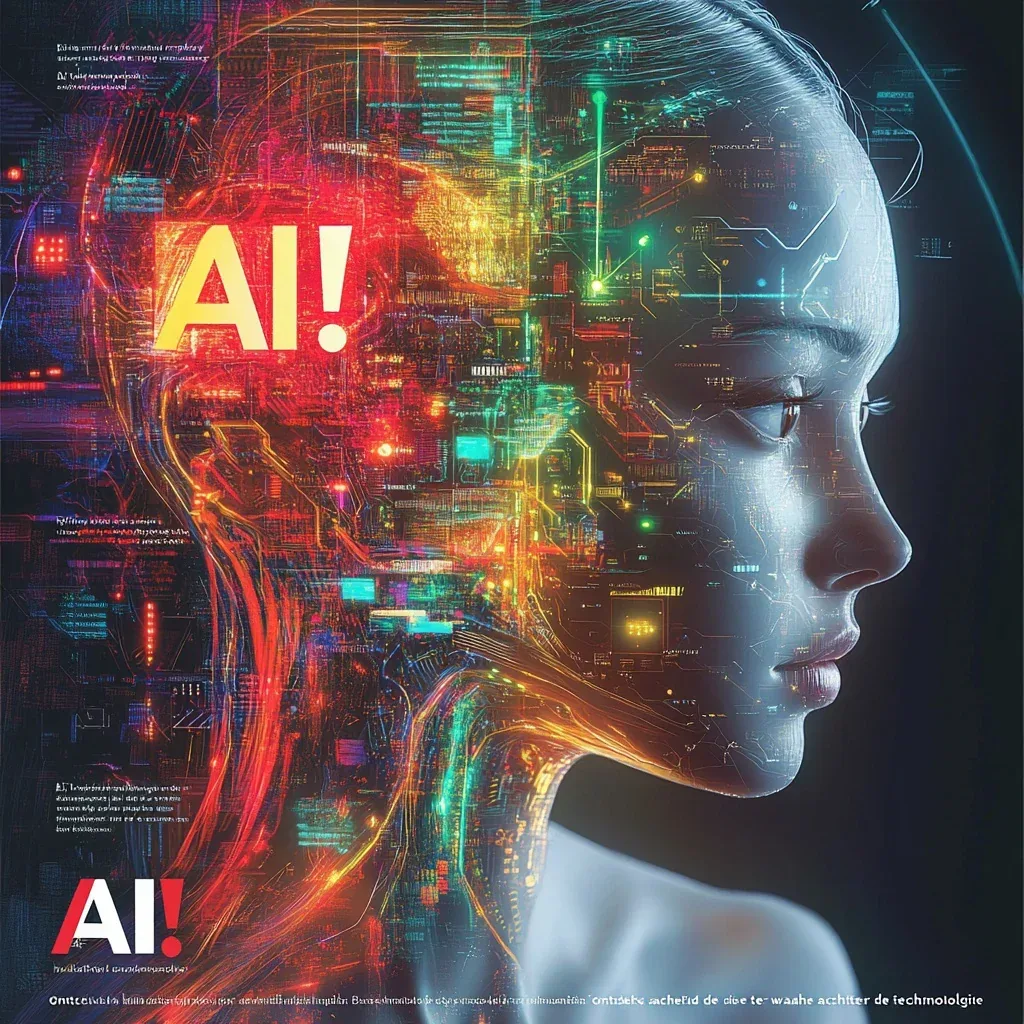
AI has become the backbone of modern advertising agencies, revolutionizing everything from ad creation to consumer insights. It is no longer just about automation — it's about augmentation, where AI collaborates with human creativity to produce compelling campaigns that drive real engagement. With deep learning algorithms, natural language processing, and predictive analytics, AI enables agencies to make faster, smarter, and more effective advertising decisions.
Hyper-Personalized Content
One of the biggest advantages of AI in advertising is its ability to deliver hyper-personalized content at scale. Traditional advertising relied on broad demographics, but AI goes much deeper, analyzing individual behaviors, preferences, and real-time data to serve content that resonates on a personal level.
Through AI-powered customer segmentation, advertisers can now create tailored messages that adapt dynamically based on user engagement. From AI-generated video ads to interactive chatbots that personalize experiences in real time, brands are no longer just talking at their customers — they're having meaningful conversations with them.
Predictive Analytics: Understanding Consumers Before They Do
AI's ability to analyze massive amounts of consumer data in real time has changed the way agencies approach marketing strategies. Predictive analytics allows advertisers to anticipate customer behavior, forecast trends, and make data-backed decisions that improve campaign success rates.
For example, AI algorithms analyze past purchase behavior and social media activity to predict what consumers will want next. Agencies can then proactively craft marketing strategies that meet demand before customers even express it.
AI-Generated Creative: From Copy to Visuals
While creativity has traditionally been a human-led endeavor, AI is now playing a crucial role in content creation. Advanced AI tools can generate everything from compelling ad copy to visually stunning graphics.
AI-powered design tools analyze brand guidelines and consumer engagement metrics to generate eye-catching visuals optimized for conversions. Instead of spending weeks brainstorming ad concepts, agencies can now develop and test multiple variations within hours, significantly reducing turnaround times and increasing efficiency.

Automated Media Buying
Media buying has traditionally been a complex and time-consuming process, requiring negotiations, manual ad placements, and budget adjustments. AI-driven programmatic advertising has revolutionized this landscape, making real-time ad placements smarter and more efficient.
AI algorithms analyze vast amounts of data to identify the most valuable ad placements and adjust bids automatically. This ensures that brands maximize their ROI by reaching the right audience at the right time, without wasting resources on ineffective ad spaces.
Voice and Visual Search Optimization
As voice and visual search continue to gain popularity, AI-powered advertising agencies are optimizing content for new search behaviors. With more consumers using smart speakers and visual search tools, brands must ensure their ads are optimized for spoken queries and image recognition.
AI-driven voice search optimization helps brands craft conversational ad copy that aligns with natural speech patterns. Similarly, AI-enhanced image recognition enables brands to tag products effectively.
AI-Driven Chatbots and Conversational Marketing
Customer engagement is no longer limited to traditional ads — AI-powered chatbots and virtual assistants have become essential tools for brands looking to provide real-time, personalized interactions. Chatbots equipped with natural language processing can answer customer inquiries, recommend products, and even complete transactions seamlessly.
These AI-driven conversational agents ensure that brands are always accessible, providing instant support and keeping consumers engaged. The result is higher conversion rates, improved customer satisfaction, and a seamless buying experience.

Ethical Considerations and Challenges
While AI presents incredible opportunities for advertising, it also raises ethical concerns. Issues like data privacy, algorithmic bias, and transparency must be addressed to ensure that AI-driven campaigns remain fair and trustworthy.
Regulations such as GDPR and CCPA have made it essential for agencies to use AI responsibly, ensuring that consumer data is protected and used ethically. AI bias must also be carefully monitored to prevent discriminatory targeting and misleading content. The agencies that prioritize ethical AI usage will be the ones that earn long-term consumer trust and loyalty.
Where AI and Advertising Meet Next
Looking ahead, AI will continue to push the boundaries of advertising in ways we are only beginning to understand. With advancements in AI-powered storytelling, neuromarketing, and immersive advertising, brands will be able to create experiences that feel almost telepathically tailored to individual users.
The integration of AI with augmented and virtual reality will make advertising more interactive than ever, blurring the lines between entertainment and marketing.
Conclusion
AI is no longer a futuristic concept — it is the driving force behind the advertising industry's evolution. Agencies that embrace AI will lead the market with highly personalized, data-driven, and emotionally intelligent campaigns that connect with audiences in powerful new ways.
For brands looking to stay ahead, the message is clear: AI isn't replacing creativity — it's supercharging it.